
The sex toy industry is experiencing explosive growth, driven by increasing societal acceptance, technological advancements, and a focus on sexual wellness. As of 2025, the global market is valued at around $38-41 billion, with projections estimating it will reach $60 billion by 2029, growing at a compound annual growth rate (CAGR) of approximately 9-13%. This surge is fueled by factors like the rise of e-commerce, destigmatization of pleasure products, and innovations such as app-enabled devices. However, despite this momentum, brands face significant hurdles in advertising their products effectively. Strict platform policies, cultural stigmas, and regulatory barriers often limit visibility and reach. In this blog post, we’ll explore these challenges and provide actionable strategies to overcome them, drawing from successful industry examples.
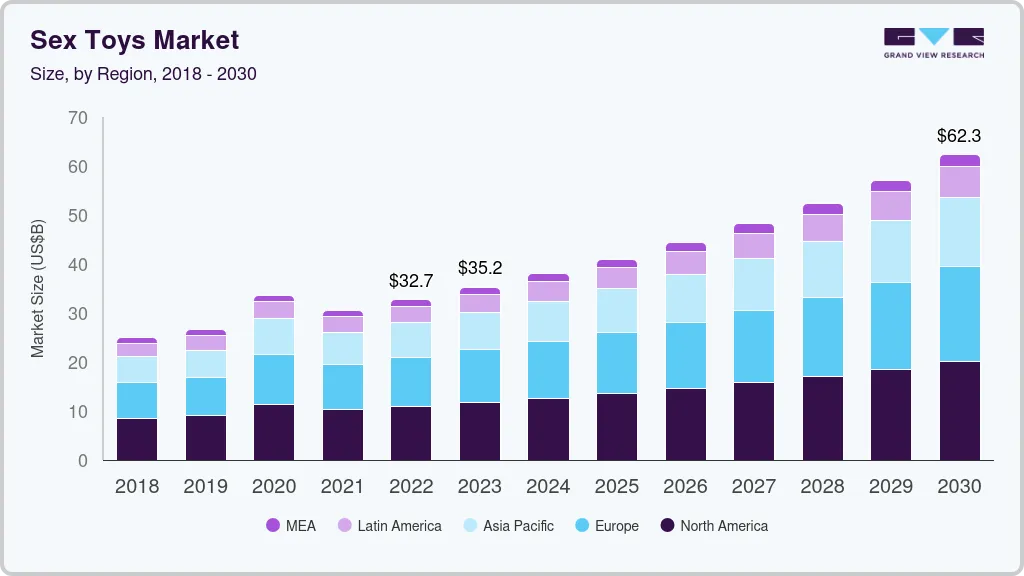
Key Advertising Challenges in the Sex Toy Industry
Marketing sex toys isn’t as straightforward as promoting everyday consumer goods. The industry grapples with a unique set of obstacles that can stifle growth and creativity.
1. Platform Restrictions and Bans
Major social media and advertising platforms like Meta (Facebook and Instagram), Google Ads, and TikTok impose stringent rules on “adult content.” Ads featuring explicit imagery, nudity, or direct references to sexual acts are often rejected or lead to account suspensions. For instance, Instagram has been known to ban ads for vibrators while allowing those for erectile dysfunction products, highlighting inconsistencies in enforcement. These policies stem from concerns over user experience, age-appropriate content, and advertiser guidelines, but they disproportionately affect sexual wellness brands.
2. Cultural Stigma and Societal Taboos
Even as attitudes shift, sex toys carry a lingering stigma, often viewed as taboo or “unseemly.” This can lead to backlash from conservative audiences, negative media coverage, or challenges in mainstream partnerships. In some regions, cultural or religious norms further complicate marketing efforts, making it hard to normalize products as tools for health and pleasure.
3. Payment Processing and E-Commerce Hurdles
Many payment gateways, like PayPal or Stripe, restrict transactions for adult products due to high chargeback risks or compliance issues. This extends to e-commerce platforms like Amazon, where adult items may be ineligible for sponsored ads, giving competitors in less restricted categories an edge.
4. Regulatory and Legal Compliance
Navigating varying laws across countries is a minefield. In the U.S., for example, while sex toys are legal in most states, advertising must comply with FTC guidelines on health claims. Internationally, some markets have outright bans or require discreet packaging and shipping.
These challenges can result in limited reach, higher marketing costs, and missed opportunities in a market projected to exceed $50 billion by 2030 in the U.S. alone.
Strategies to Overcome These Challenges
While the roadblocks are real, innovative brands are finding ways to thrive. The key is shifting from direct sales pitches to value-driven, educational, and community-focused marketing.
1. Leverage Content Marketing and SEO
Focus on creating non-explicit, informative content that positions your brand as a sexual wellness expert. Blogs, videos, and guides on topics like “sexual health benefits” or “relationship intimacy” can drive organic traffic via SEO. Optimize for long-tail keywords like “best wellness toys for couples” to avoid triggering restrictions. Tools like Google Analytics can help track performance without relying on paid ads.
2. Partner with Influencers and Affiliates
Influencer marketing bypasses many platform bans by leveraging authentic endorsements. Collaborate with body-positive influencers, sex educators, or niche creators on platforms like YouTube or Reddit. Send review packages to build buzz—many successful campaigns start with unboxing videos or honest testimonials. Affiliate programs can also expand reach through commissions on sales.
3. Use Creative and Subtle Advertising Tactics
Rephrase products as “personal massagers” or “wellness devices” to skirt restrictions. On Google Ads, emphasize medical or therapeutic angles, like stress relief. Explore alternative networks like adult-specific ad platforms or email newsletters for targeted outreach. Automation tools can nurture leads post-purchase, turning one-time buyers into loyal customers.
4. Build Communities on Niche Platforms
Platforms like Reddit (e.g., r/SexToys) or X (formerly Twitter) allow more open discussions. Engage in forums, host AMAs, or create branded subreddits to foster loyalty. For e-commerce, use Shopify’s features for discreet billing and shipping to build trust.
5. Incorporate Data-Driven and Inclusive Campaigns
Analyze demographics—women and LGBTQ+ communities are key growth drivers. Tailor campaigns to promote inclusivity, like We-Vibe’s focus on couple connectivity to reduce stigma. Track ROI with tools that monitor engagement without violating policies.

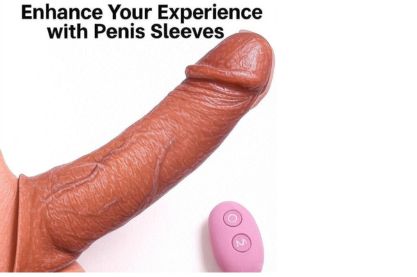
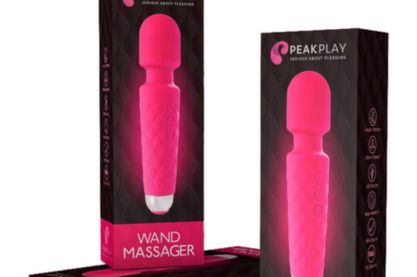
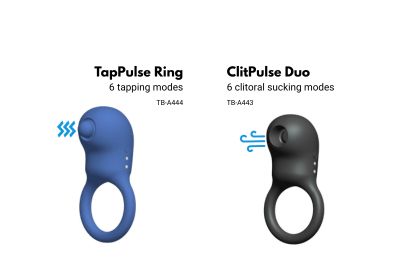
Creative Adult Toy Marketing Concept
Real-World Success Stories
Several brands have turned challenges into triumphs. We-Vibe’s Chorus Pro campaign emphasized emotional connection over explicitness, using subtle visuals to promote app-controlled toys for couples, resulting in widespread media coverage and sales boosts. Similarly, brands like Dame and Maude have succeeded with minimalist, wellness-focused ads on Instagram, avoiding bans by framing products as self-care essentials. Influencer-driven strategies, such as sending products to sex-positive creators, have helped companies like Lovehoney achieve viral moments without traditional ads.
Conclusion: Embracing Innovation for Long-Term Growth
Overcoming advertising challenges in the sex toy market requires creativity, compliance, and a customer-centric approach. By focusing on education, community, and subtle messaging, brands can navigate restrictions while capitalizing on the industry’s upward trajectory. As societal norms evolve, the future looks promising for those who adapt. If you’re in the space, start by auditing your current strategies and experimenting with influencer partnerships— the rewards could be substantial.










 English
  Deutsch
  Español
  Français
  한국어
한국어  Italiano
  Nederlands
  Português
  Русский